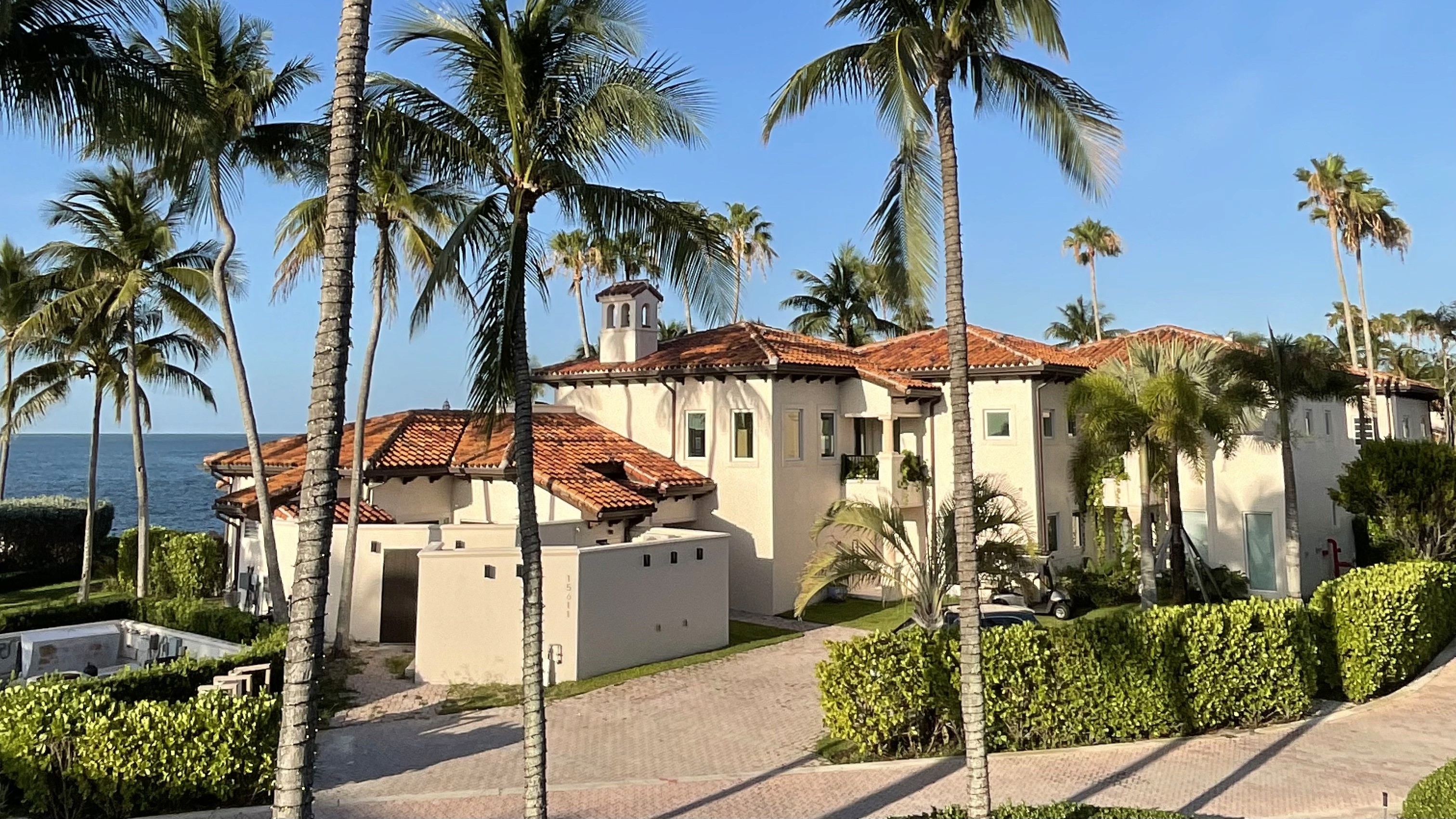
Effective community governance depends on clear procedures, transparency, and consistent communication. Like many large residential communities, Fisher Island operates through a structure of elected boards, committees, management professionals, and governing documents that help guide day-to-day operations and long-term planning.
Board members are typically responsible for overseeing budgets, maintenance projects, reserve planning, vendor contracts, community policies, and the protection of shared assets. Their role is not to manage daily operations directly, but rather to establish direction, review recommendations, and make decisions that serve the interests of the community as a whole.
Regular board meetings provide an opportunity to review financial reports, discuss operational matters, evaluate ongoing projects, and consider resident concerns. Meeting agendas are generally prepared in advance to organize discussions and ensure that important matters receive appropriate consideration. Minutes are often maintained as an official record of actions taken and decisions approved.
Many residential communities also utilize committees to assist with specific areas such as finance, architectural review, landscaping, safety, amenities, and community engagement. These committees may conduct research, gather resident feedback, and provide recommendations to the board, helping support informed decision-making.
Residents play an important role in the governance process through elections, community meetings, document reviews, and participation in various committees when opportunities are available. Staying informed about upcoming meetings, proposed projects, budgets, and policy changes helps strengthen communication between residents and leadership.
Strong governance relies on accountability, transparency, and adherence to established governing documents. By following consistent procedures and encouraging resident participation, communities can better balance operational efficiency with the interests and expectations of homeowners, residents, and stakeholders.